
frequently
asked questions
Answers to the most commons questions about Crown Royal Stoves,
installation, operation, maintenance, and ownership.
How it works
An outdoor boiler burns fuel in a centrally located firebox, surrounded by a water jacket—an insulated reservoir that stores and transfers heat. As the fuel burns, heat from the firebox and internal heat exchanger surfaces is absorbed by the water. To prevent energy loss, the exterior of the water jacket is wrapped in a high-efficiency thermal insulation barrier.
The heated water is then circulated through specialized, insulated underground piping to one or more buildings. Once inside, heat is distributed using your existing heating infrastructure:
- Directly, by integrating with radiant floor heating, hot water baseboards, or cast iron radiators
- Indirectly, via water-to-air heat exchangers used in forced air systems
Originally, these terms described distinct heating appliances based on their function:
- Stove: A standalone metal firebox used as a space heater, primarily radiating heat from the metal structure to the surrounding area.
- Furnace: A unit that distributes heat primarily through air movement—originally with gravity air currents and later as forced air using blowers.
- Boiler: An appliance that heats water or another fluid to distribute heat—initially via steam circulation, then gravity-fed hot water, and more recently as circulated water.
As technology evolved, modern wood heating appliances began combining functions. Wood stoves started to include water jackets to heat water alongside space heat. Organizations like ASTM now use the term “wood-fired hydronic furnace” (wood-fired hydronic heater according to the EPA) to describe modern units that burn wood to heat water for heat distribution.
Breaking down this new term—Wood-Fired Hydronic Furnace:
- Wood Fired: Using wood as the fuel source.
- Hydronic: Employing water or other fluids as the heat transfer medium.
- Furnace: Indicates a non-pressurized, open-to-the-environment system not designed for steam generation.
The term “wood-fired boiler” remains technically accurate and correct but sometimes causes confusion, as some may associate boilers with steam generation.
Yes! Our boilers can be configured to heat multiple buildings. Common applications include homes, garages, shops, greenhouses, barns, and more. We would be happy to help with system configurations.
NO. All Crown Royal Stoves are non pressurized systems that are open to the atmosphere.
Yes, many customers integrate their Crown Royal boiler with existing heating systems. We actually recommend incorporating an outdoor boiler into an existing system for use as a backup heating method.
No. Many users only run their boiler during colder months, when heating provides a substantial load on the system. However, some users do run their outdoor wood boilers year-round to provide continuous hot water or for uses like pools or hot tubs.
YES. You should always have some sort of back-up heat in place.
Yes! Outdoor wood boilers continue to provide heat during power outages when connected to a properly sized backup power supply, making them a reliable choice for rural homes and emergency preparedness.
All Crown Royal Stoves are a non pressurized, air tight, fan forced combustion system which allows the system to not over heat. In fact, many of our outdoor wood furnace / coal boiler owners use their unit in late spring or early fall.
Efficiency & Cost Savings
Crown Royal Stoves are designed for maximum energy efficiency. The Pristine Series achieves up to 99% combustion efficiency, meaning it converts nearly all of the fuel’s energy into heat. This results in burning up to 60% less wood compared to competing traditional models.
Outdoor wood boilers can provide significant cost savings compared to propane or electric heating, especially in rural areas where free or low-cost firewood is readily available. Wood is also a renewable, carbon-neutral, energy source that supports energy independence and self-reliance.
Generally, yes. Outdoor wood boilers can significantly reduce heating costs compared to propane, oil, or electric systems—especially if you have access to affordable or self-sourced firewood.
Cost varies between models and sizes, shipping costs, and installation parts, but models start at $10,099. Your local authorized Crown Royal Dealer can assist with proper system sizing and provide a customized estimate based on your heating needs and regional requirements.
Every installation is unique, and pricing will vary based on things such as the number of buildings being heated, distances between the new boiler and the building, required heat exchangers, chimney height based on your selected location, etc. Basic installation generally start at about $1,200, with average installation costs at about $2,500. Your local Crown Royal representative would be happy to explore options and pricing with you.
To maximize the efficiency of your outdoor wood boiler:
- Burn Seasoned Wood: Use dry, well-seasoned wood with a moisture content of 20% or less for hotter, cleaner combustion.
- Perform Regular Maintenance: Follow the maintenance schedule in your owner’s manual, including gasket checks, door adjustment inspections, and water level monitoring.
- Clean Heat Exchange Surfaces: Regularly remove ash buildup from heat exchanger surfaces and airflow paths to maintain optimal heat transfer.
- Optimize Airflow & Combustion Features: Utilize Crown Royal’s advanced burn features, such as the Turbo Draft system in the MP Series or the refractory nozzle assembly in the Pristine Series, to enhance combustion efficiency and reduce fuel waste.
Features & Benefits
Crown Royal Stoves stand out in the market through a unique combination of advanced engineering, premium durable materials, flexible fuel options, and exceptional dedication and support. Key differentiators include:
- Premium Construction & Materials
- Domestically Built: Every Crown Royal Stove is built in the USA using 409 titanium-enhanced USA produced stainless steel— a superior corrosion-resistant alloy proven over decades of field testing to withstand the harsh conditions of outdoor boiler operation.
- Field-Tested Reliability: Designed for decades of service in extreme conditions, with easy operation and minimal maintenance required.
- MP Series: Versatile & Robust Design
- Fuel Flexibility: Engineered to burn a wide range of biomass fuels and coal, with optimized combustion.
- Shaker Grate System: Heavy-duty cast iron grate assembly allows for easy ash removal without disrupting the burning coal bed.
- Turbo Draft System: Preheated secondary air over fire helps achieve complete combustion, reducing smoke and increasing efficiency.
- Multi-Pass Heat Exchanger: One of the industry’s largest heat transfer surfaces—with water contact on all eight sides—ensures maximum thermal efficiency from every burn.
- Pristine Series: High-Efficiency Gasification
- Negative Pressure Gasification: Pulls combustion air downward through a custom-designed titanium-enhanced refractory manifold to superheat combustion gases for clean and efficient combustion.
- Self-Balancing Air System: No sensors, no computer controls—just engineered airflow paths that adjust naturally for consistent, high-efficiency operation.
- Turbulator Assembly: Enhances heat transfer and acts as a built-in cleaning system for flue gases.
- Advanced Water Flow Design: Internal flow is optimized for full contact with the heat exchanger surfaces, increasing heat capture and minimizing fuel waste.
- Long-Lasting Components: Industrial-grade combustion fans and motors ensure long-term durability and performance.
- Industry-Leading Support
- Expert Guidance: Dealers and technical support teams assist with everything from sizing and installation to maintenance and troubleshooting.
- Customer Commitment: Crown Royal is fully committed to providing long-term value, warranty support, and continued innovation.
Crown Royal Stoves are designed with advanced combustion technology that minimizes smoke production. When operated correctly with properly seasoned wood (moisture content at or below 20%), these units produce very low visible emissions. Models like the Pristine Series use high-efficiency gasification and secondary combustion to exceed emissions standards, resulting in a clean, efficient burn.
409 Titanium Enhanced Stainless Steel offers superior corrosion resistance, excellent thermal expansion properties, and high heat tolerance—making it ideal for the extreme conditions found in outdoor boilers. It also provides efficient heat transfer without warping or fatigue over time. Unlike other manufactures, Crown Royal Stoves has exclusively used this material from the beginning because of its durability, performance, and longevity matching the demanding requirements of an outdoor boiler system.
Crown Royal Stoves provide versatile heating solutions suitable for a wide range of applications, including:
- Residential homes
- Pools and hot tubs
- Domestic hot water systems
- Radiant in-floor heating
- Commercial buildings
- Commercial hot water supply
- Greenhouses
- Garages and workshops
- Barns and agricultural buildings
- Snow melting systems
- Forced air systems
The only application not supported by Crown Royal Stoves is steam heating systems.
Yes! Crown Royal Stoves can heat multiple buildings when properly configured. Installing a proper insulated underground piping system, you can connect all buildings to a hydronic heating manifold. This manifold distributes hot water from the stove to each building’s heating system. It is important to ensure the total heat load does not exceed the BTU capacity specified for your particular boiler model. Proper insulation, piping size, and hydronic balancing are key to efficient multi-building heating.
Model-Specific Questions
Negative Pressure Gasification is an advanced combustion process used in the Crown Royal Pristine Series, where air is pulled (not pushed) downward through a sealed firebox, creating a slight vacuum or negative pressure inside the combustion chamber.
Instead of forcing air in from above, this system draws combustion air from below, which pulls gases released by the burning fuel down through the refractory nozzle assembly and ash bed and into a secondary combustion chamber. There, these gases combine with the fresh secondary air and combust at very high temperatures (often exceeding 2000°F), resulting in a highly efficient, nearly complete combustion with up to 99% combustion efficiency.
The Multi Pass Series attains higher efficiency through a combination of advanced combustion and heat transfer features:
- Triple-Pass Water-Filled Heat Exchanger: This design routes exhaust gases through a three pass heat exchanger with full surrounding water jacket, greatly increasing surface area for heat transfer. As a result, more heat is extracted from the fire before gases exit the chimney, boosting overall system efficiency and reducing fuel consumption.
- Turbo Draft System: By introducing preheated secondary air above the flame, the Turbo Draft system forces unburned gases downward into the combustion zone for secondary combustion. This improves burn completeness, raises fire temperatures, and lowers creosote buildup, making each burn cleaner and more efficient.
- Cast Iron Shaker Grates: Shaker grates optimize airflow under the fire bed, promoting hotter, more complete combustion while making ash removal easy without disturbing the coal bed.
- Adjustable Primary Air Blower: The adjustable primary air blower delivers precisely controlled combustion air beneath the grates, ensuring efficient fuel burning regardless of fuel type.
Together, these features enable the Multi Pass Series to burn 30-50% less fuel than comparable conventional outdoor boilers while providing higher heat output and easier maintenance.
The Biomass Series is a fully automated, multi-fuel boiler designed for maximum fuel efficiency and flexibility. It can burn a wide range of renewable and solid fuels, making it one of the most adaptable heating systems on the market. Approved fuels include: wood chips, wood pellets, coal, corn & grain, silage and Ag residue biomass.
Both the MP Series and automated Biomass Series are designed, tested, and rated to burn coal as well as other biomass fuels. Be sure to verify what fuels are permitted for your jurisdiction.
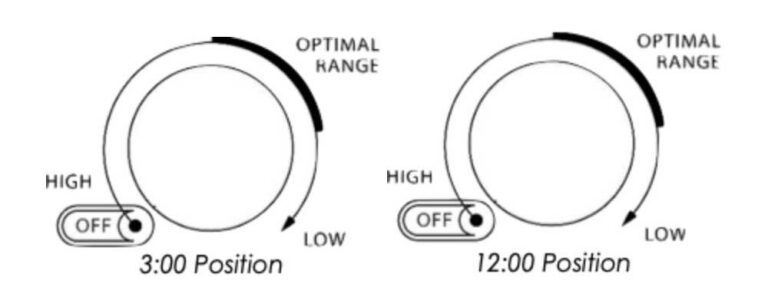
The control panel located on the left side of your boiler includes the round dial of the fan speed control rheostat. Ideally, the primary fan speed should be set as low as possible while still achieving optimal combustion. Higher moisture content fuel will require more air, but increased air also leads to more heat being pushed out of the boiler. The standard setting range is between the 3:00 and 12:00 position on the dial. We recommend starting at the 3:00 position and adjust based on the fire’s performance.
Installation & Maintenance
Installation time depends on the complexity of your setup—specifically, how many buildings you’re heating, how you will be integrating with an existing heating system, or site specific obstacles. A straightforward installation for a single building can typically be completed in one day. However, more complex systems involving multiple zones, extended underground piping, or multiple tie-ins to existing systems may require additional time for proper setup and testing.
We recommended consulting with your local dealer to get a more accurate timeline based on your specific project.
Crown Royal provides detailed technical documents and live technical assistance to help with system design, but a qualified installer is required for proper setup, safety, and compliance with local codes and requirements. Many of our users are experienced with plumbing, hydronics, and HVAC systems, and therefore are qualified individuals. Self-installation by qualified individuals is permitted, as long as the installation is in compliance with Crown Royal Stoves’ written guidance and local jurisdictions allow such installations.
Absolutely! Any high quality commercially available underground piping system, including the products that we stock, will be tested for temperatures far below zero with low heat loss ratings. It is common to install the underground piping on top of frozen or snow-covered ground during winter, with the final burial and installation completed once the ground thaws.
An outdoor wood boiler does not require a large footprint for the unit itself, but proper placement and clearances are essential for safety, efficiency, and ease of use. Make sure you ask your insurance company.* Here are the key considerations:
- Clearance from Buildings: It is recommended to install the boiler at least 25 feet from any occupied structure to ensure proper draft and ventilation.
- Setback from Property Lines: Some jurisdictions require specific setback distances from neighboring properties—check with your codes office or local dealer for exact requirements.
- Fuel Storage Area: Allocate ample space for storing a dry fuel supply, ideally in a location protected from weather and easily accessible for regular loading.
- Access & Maintenance: Leave open space around the unit for cleaning, servicing, and safe loading.
- Piping & Chimney Routing: Ensure you have room for underground insulated piping, electrical connections, and proper chimney orientation to prevent smoke from drifting towards buildings.
Installation parts used for a first time installation are insulated underground pipe, heat exchangers, pumps, pex piping, and plumbing fittings.
Crown Royal Stoves are engineered for ease of operation and maintenance in mind. Advanced features, like the turbulator cleaning system in the Pristine or the Shaker Grate and Ash Pan in the MP series, allow for standard maintenance to be performed regularly in just a few minutes while maintaining peak performance.
Crown Royal Stoves are designed for easy operation and seasonal maintenance to keep your system performing at its best. A full checklist is available in your owners manual, but here’s an overview of the key tasks recommended before and after each heating season:
The Start of Season Annual maintenance involves:
- Review of the owners manual
- Check safety controls and proper operation for each heating appliance
- Inspect system components and connections for leaks
- Check water level and adjust as necessary
- Check water quality and adjust as indicated
- Check door adjustments and seals
The End of Season Annual maintenance includes:
- Inspect system components and connections for leaks
- Check water level and adjust as necessary
- Thoroughly remove ash accumulation
- Lubricate any articulated components
- Check water quality and adjust as indicated
- Check door adjustments and seals
Each boiler includes a hoe designed to fit along refractory moldings or heat exchanger surfaces. This hoe can be used to rotate the coal/ash bed, remove ash buildup, clean the inner door pans, etc. Other basic tools that may be useful include: a metal ash bucket, listed ash vac, nylon chimney brush, surface scraper, and sample bottles for water quality checks.
The Shaker Grate system on the MP series was designed as an easy way to remove ash buildup in the boiler without having to let the boiler burn down to remove the coal bed. Simply move the actuator handle slightly forward and back a few times every week during heavy use. The rocking motion helps loosen the ash bed and move excess buildup through the grates into the ash pan below, keeping the airflow open for efficient combustion.
Crown Royal requires at least one water sample every heating season around the anniversary of your installation, and every time a significant amount of water is added to the system. Ideally, two samples should be sent- one at the beginning and one at the end of each heating system- to verify proper pH balance, proper inhibitor levels, minimal mineral buildup, and proper conductivity range. This will ensure ideal corrosion prevention and lengthen the service life of your system. Water samples are FREE to Crown Royal customers for the life of their boiler, so it is always best to test when in doubt.
Water quality plays a critical role in protecting your outdoor boiler and ensuring long-term, reliable performance. Crown Royal Stoves operate in harsh environments where heat, moisture, wood/coal ash, and combustion byproducts create a corrosive setting inside your system. An open boiler setup provides many safety benefits, but also exposes the hydronic system to a constant supply of oxidizing agents. Adding fresh water to the boiler is imperative to maintain safe operating fluid levels, but additional minerals often enter the system with fresh water. Therefore, it is critical to maintain proper water chemistry to balance these harsh elements and provide decades of reliable operation.
Check the water level of your boiler daily—typically when loading fuel—to ensure the system has proper water coverage. Every Crown Royal boiler comes equipped with a float level indicator, conveniently installed above the load door, making frequent visual checks quick and simple.
The amount of water is different for every stove, and for every application. Each Crown Royal boiler includes a graduated float level indicator with a red flag pointer to indicate the current water level. Many customers don’t need to add any water even after a couple of operating seasons, while other customers may require small amounts be added bi-weekly.
Note: the system water level will fluctuate throughout the day based on current water temperature. Normal levels are anywhere on the scale between ADD and FULL.
As long as the water is mostly transparent and not discolored with any orange or red-ish tint, there is typically no need to change it. A light green or blue tint is normal when control chemical is present. The most important thing is to stay current with your water testing schedule and maintain proper water treatment levels. Regular water sample testing helps ensure your boiler is protected from corrosion and continues operating efficiently. As long as your test results remain within the recommended range, there is no need to drain or replace the water after a specific number of years.
If you notice water leaking from your outdoor wood boiler, take these steps promptly to minimize damage and ensure safety:
- Inspect Visible Components Immediately
- Check all tubing, fittings, valves, and connections around your boiler and on the underground piping. Typically, leaks come from loose clamps or damaged hoses that can be tightened or resealed.
- Assess Leak Severity
- Small leaks or pinholes near circulators or fittings may sometimes be temporarily sealed with high-temperature epoxy or specialized leak stop products, but these are short-term fixes.
- Larger leaks, especially those caused by corrosion in the water jacket or firebox, are extremely rare. Usually another leak source can be found. However, these usually require professional repair when they do occur.
- Consult a Professional
- Contact your dealer immediately if warranty service is required, or if you need assistance with system repairs. Your local dealer can provide guidance on safety and repair options.
If you go through a heat exchanger and have a backup system in place you can leave the pump run. If you are going to be gone for a long period of time, it is recommended to use anti-freeze or completely drain your system.
Installation of a chimney cap is required on your boiler. A properly designed cap will prevent rain, debris, and animals from entering the exhaust system. The Crown Royal designed clover leaf cap also acts as a spark arrestor, stopping sparks from leaving the chimney and potentially igniting nearby combustibles like woodpiles, and prevents down drafts, which can suck heat out of the boiler or add air to the fire when it should be idling. Adding a chimney cap is a simple addition to protect your boiler from weather and operational issues, reduce maintenance, and prolong system life.
YES. Although we do recommend using a cloverleaf rain cap to increase the longevity of your outdoor furnace. When your outdoor furnace is not in use we suggest on placing a bucket over the chimney.
With proper care and regular maintenance, many Crown Royal owners report 20+ years of strong performance even with heavy seasonal use. When maintained to factory recommendations, 30+ years of reliable operation is typical. These boilers are constructed using heavy-duty 409 titanium-enhanced stainless steel, which offers superior corrosion resistance and durability—even in harsh outdoor environments.
Crown Royal offers an industry leading 20 Year Limited + Lifetime Warranty for long-term peace of mind.
- 20-Year Limited Warranty: Covers defects in materials and workmanship for two decades from the date of purchase, provided the unit is properly maintained, water samples are received annually, and water chemistry is kept within required limits.
- Lifetime Support: After the 20-year warranty period, customers become eligible for continued benefits—including a 10% discount on the purchase of a new boiler at any time after year 20.
- Transferable Coverage: The warranty balance may be transferable to a new homeowner (with dealer assistance and proper documentation), which can add resale value to your property.
For ROI calculations, using a conservative figure of about 15 years is reasonable. However, with proper care and regular maintenance — including water chemistry management and seasonal inspections — many customers still operate their original boilers after more than 25 years of heavy operation.
Environmental Impact
Using wood as a fuel supply is one of the most environmentally responsible ways to heat your home or work. Wood is carbon neutral, and sustainably sourced fuel also helps reduce the risk of devastating forest fires. Non-woody biomass is also an environmentally beneficial way to prevent crop waste.
Advanced burn technologies, such as the turbo draft or gasification systems, give Crown Royal Stoves some of the lowest emissions rates available- creating a virtually smokeless design the minimizes fuel usage.
Wet wood (or high moisture content wood) creates a cascading effect when burned. Before combustion gases can be released from the wood, moisture must be boiled out to create a dry fuel. The steam created in the firebox lowers combustion temperature, which causes an incomplete burn and more smoke. Moisture binds to the particles trapped in the exhaust and attaches to cooler metal surfaces in the boiler. The end result – unseasoned wood requires more fuel to achieve the same usable heat output, increased smoke production, higher levels of creosote buildup.
Some common practical uses for wood ash include:
- Soil amendment and garden fertilizer: Wood ash is rich in potassium, calcium, and trace minerals. It can raise soil pH, making acidic soils more alkaline, which benefits plants like tomatoes, asparagus, and beans. It also promotes flowering and fruiting, but use it sparingly. Ash can also be added to compost to enrich it.
- Natural pest control: Sprinkling wood ash around plants deters pests like slugs, snails, ants, fleas, ticks, and lice due to its dry, irritating texture.
- Ice melt and traction aid: Wood ash can be spread on icy walkways or driveways to provide traction and help melt ice safely without the harmful effects associated with salt.
- Cleaning agent: When mixed with water into a paste, wood ash can clean glass (stovetop or woodstove windows), metal, and remove stains or residues. It can also be used to clean headlights, dishes (in absence of soap), and absorb oil spills on concrete.
- Animal supplement: Wood ash serves as a calcium supplement for chickens and can also be sprinkled on pet fur to deter external parasites. Algae control: Adding small amounts to ponds or water features can reduce algae growth due to potassium content.
Be sure to place ash in metal containers for an extended period before use, to ensure complete cooling and prevent accidental fires.
Fuel & Wood Usage
Pristine Series: seasoned hard or soft cordwood
MP Series: non-woody biomass and agricultural residues (such as corn, cherry pit, walnut shell, straw, wheat husks, corn cobs, switchgrass, miscanthus, cellulosic biomass, and other similar fuels), and hard fuels (such as anthracite and bituminous coal).
Biomass Series: granular fuels (such as shell corn, cherry pit, wood or other biomass pellets, anthracite coal)
Every installation and situation is unique. Factors such as construction type, number and size of windows and exterior doors, and insulation all play a part in the heat loss calculation of your building. Typically, an average size home requires 6-10 cords of wood per heating system. Your local dealer can provide more specific guidance based on local weather conditions and similar installations in your area.
Each Crown Royal Stoves boiler model has different fire box dimensions, which can be found in the product brochure and on our website. The 7200E has the smallest firebox length, requiring lengths of 26 inches (66 cm) or less, while the 7500MP accommodates the largest dimensions, accepting lengths up to 58 inches (147 cm). Wood lengths of 24 to 36 inches (61 to 91 cm) are most common, allowing for easy wood splitter operation and handling.
No. We recommend splitting any logs larger than your forearm to promote faster drying and better combustion. However, Crown Royal Stove’s advanced burn features do not require all wood to be split, especially into small pieces. Splitting logs opens the grain and significantly reduces drying time. It is important to avoid burning green (unseasoned) wood in any of our boilers, as it reduces efficiency and increases smoke and creosote buildup.
The EPA has specific standards for woody biomass and fuel used in outdoor wood boilers. Treated or painted wood should never be burned in any outdoor boiler, as it can produce and release harmful chemical compounds that pose risks to the environment, the operator, and to your boiler. Only naturally untreated wood should be used as fuel.
The EPA defines seasoned wood as having a moisture content of 20% or less. Fuels meeting this requirement is optimal to achieve complete combustion and maximum efficiency.
The most accurate way to determine moisture content is by using a pin-type moisture meter inserted into the middle grain of a freshly split piece of wood. Your local dealer can assist you with purchasing a moisture meter, if needed. A video of how to use a moisture meter can be found here: Moisture Measurements
Alternatively, you can compare green (unseasoned) wood with your seasoned source. Seasoned wood sounds hollow when knocked and often has visible cracks on the end grain. Seasoned wood also has significantly less weight, becoming lighter as moisture is removed.
Pine and other softwoods produce a hot, fast-burning fire, but typically do not form a desirable coal bed. The pitch contained in softwood grain may increase creosote buildup, which means that softwoods generally require more frequent cleaning and maintenance. Despite these differences, all of our boiler models are designed to burn both hardwood and softwood effectively.
Ideal firewood is split and properly seasoned dense hardwoods. For example:
- Oak: Highly prized for its density, high heat output, and long burn time, making it ideal for extended heating with minimal refueling. When properly seasoned, oak burns hot and slow with a clean and consistent flame.
- Hickory: Produces intense, long-lasting heat—up to about 30 million BTUs per cord—and burns very slowly with minimal smoke, making it one of the top choices.
- Beech: Similar in density and heat output to oak, beach provides a steady flame and consistent heat with high efficiency.
- Ash: Noted for burning the hottest and longest among woods, even when not perfectly dry, ash yields low particulate emissions and excellent heat output
Safety & Compliance
Regulations and permit requirements vary widely state-by-state, county-by-county, and jurisdiction-by jurisdiction. It would be prudent to check the following sources before installation:
- Your local dealer – Contact Affordable Outdoor Stoves
- Your local code compliance department
- Your insurance company
Absolutely! Guidelines for clearance and installation can be found in your owners manual, and your local dealer can help provide practical advice based on your specific location.
It is critical to prevent freeze up conditions in your outdoor boiler. Every Crown Royal boiler is constructed to rigid fabrication guidelines and pressure tested multiple times during assembly to ensure superior performance. However, the pressure exerted on the steel components as water freezes is substantial—expanding nearly 10% of liquid volume and exerting up to 43,000 psi. If your boiler is in danger of freezing, be sure antifreeze concentrations are sufficient for the anticipated outdoor temperatures, or completely drain your system when not in use.
Absolutely! Crown Royal Stove boilers are compatible with nearly all heating systems—including solar and geothermal. It is important to consult your solar or geothermal installer for any special design considerations that may be required. Be sure not to circulate chilled or super heated water through your outdoor boiler, and make sure solar heat transfer fluid is isolated with a properly sized heat exchanger.
The Biomass and MP series are virtually silent during operation.
The Pristine series, which uses an industrial blower motor, is also extremely quiet, producing noise comparable to that of a standard refrigerator or a ceiling fan—significantly quieter than that of a conventional heating system, especially when heard indoors.
Support
Crown Royal Stoves, along with Precision Metal Products, are the primary focus of Greentech Manufacturing—a family-owned and operated business based in International Falls, Minnesota. Often called “the icebox of the nation,” International Falls is known for routinely being the coldest location in the United States, making efficient and reliable heat paramount in our design.
Since its founding in the early 1990s, Crown Royal Stoves has been an recognized industry leader of outdoor wood boilers, known for superior construction and ease of operation. Crown Royal Stoves are proudly designed and manufactured under one roof in the USA, crafted exclusively with American steel and skilled American hands—something no other manufacturer can claim.
Factory-trained and authorized dealers are available throughout North America and Europe. Crown Royal Stoves is truly “The Most Trusted Outdoor Boiler.”
The best contact for any technical questions, design considerations, local requirements, or warranty support is your local authorized Crown Royal Stoves dealer, contact Affordable Outdoor Stoves. Every dealer is trained and equipped to assist you with your specific system.
If you are unable to reach your local dealer, Greentech Manufacturing offers technical support during normal business hours. They can be contacted by phone, text message, or email. Currently, these are the only authorized support channels to ensure you receive authorized expert assistance.
Contact the Head Office – Crown Royal Stoves
Head Office Phone: 1-866-361-7355
Visit our Videos & Gallery to view videos of Crown Royal Stoves products, including product demonstrations, manufacturing processes, and more.